
What Cayden Cleaned
A note on Cayden Alston-Arnold, a boy who spent his last moments cleaning to spare others from pain

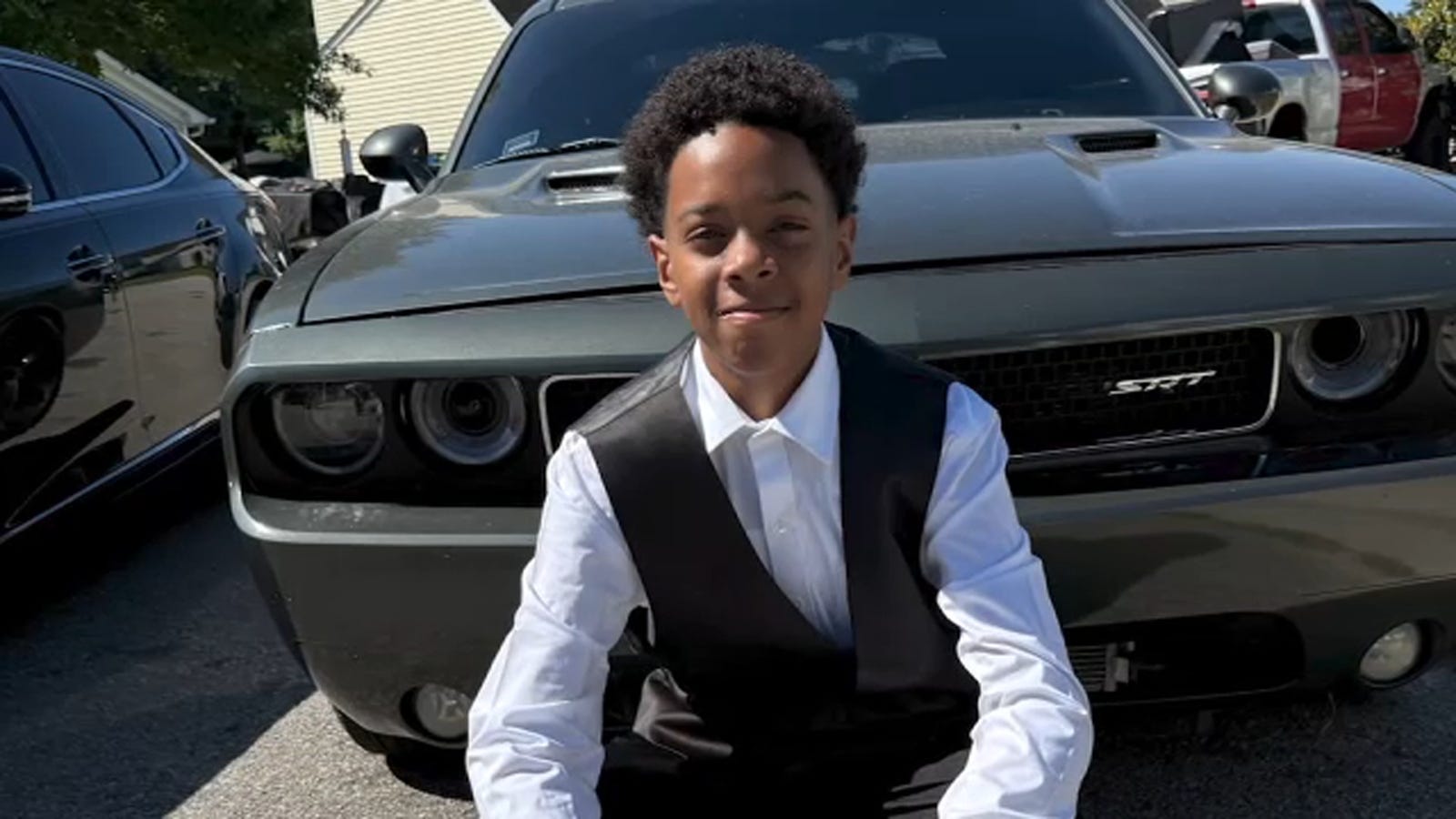
I cannot stop thinking about the boy.
Not the headline. Not the statistic tucked into the middle paragraph of a local news story, the one you scroll past on a Friday morning while your coffee goes cold. The boy. Cayden. Fifteen years old and already carrying the particular weight Black boys are handed early. The knowledge that the wrong room, the wrong moment, the wrong pair of jeans can end you.
But that is not what breaks me. Not entirely.
What breaks me is what he did after.
The bullet found him, and Cayden — this child, this son — did not call out. Did not dial the three numbers that exist precisely for the moment the world comes apart. Instead, something older than survival instinct moved through him, something that had been quietly installed over years of learning how to be good, how to be careful, how to come home the way his father wanted him to come home.
He thought about the blood. He thought about his father. He ran from room to room.
A fifteen-year-old boy, shot, leaking, afraid, and the fear that rose highest in him was not “I am dying,” but “Daddy is going to be so upset.” The body already failing and the mind still trying to manage the consequences. Still trying to be a good son. Still trying to follow the rules that had been set the night before, clear and firm, “those boys are not welcome here.” He had broken the rule. And then the rule had broken him. And even then, even bleeding, even running out of time he didn’t know he was running out of, some part of him believed that if he could just clean it up, if he could just make it right, if he could just —
There is a particular grief in loving a father. In wanting to be worthy of a man who set the rules because the world is dangerous and he knows it, because he has always known it, because Black fathers learn early that the rules are the only armor they can give their sons and so they give them fiercely, desperately, with all the love that looks like strictness from the outside.
Cayden knew this. He knew what the rules meant even if he couldn’t have said it plainly. “I love you” dressed in “those boys cannot come back here.” And so when the unthinkable arrived, when the disagreement over something as small and devastating as a pair of jeans became a wound, became a sentence, Cayden’s last act of devotion was to try to undo the damage. To spare his father the sight of it. To be, even in dying, a considerate son.
He cleaned up his own blood. He cleaned up / his own blood.
I have to write it twice because once is not enough to hold it, not enough to make you feel the full unbearable weight of those six words. The tenderness of it. The tragedy of it. The love that was so deep in that boy that it outlasted his ability to save himself.
Fifteen. He was fifteen. Old enough to want to protect his father from pain. Young enough to believe he still could. Young enough that the jeans were worth fighting about, that the afternoon felt infinite the way afternoons do at fifteen, that he could not have imagined, could not have known, that this was the day the clock would simply stop.
I think about his hands. What they touched last. Whether he was scared or whether the shock made it feel unreal, made it feel like something that was happening to someone else, some other boy in some other house who had also broken a rule and was also trying to fix it. I think about what his father felt when he found him / when he found out. I think about the silence after. The particular silence of a house that held a boy and then didn’t.
We keep saying his name. Master Cayden Cortez Ja’yere Alston-Arnold. Because the saying is the last small thing we can do for him. Because he deserved to grow old enough to tell this story himself, to laugh about the scar someday, to call his own children home before dark and set his own rules and mean them as tenderly as his father meant them.
He didn’t get that. He got fifteen years and a wound and a love so instinctive, so bone-deep, that he spent his last strength trying to keep his father from hurting.
This boy. This / boy.
I cannot stop thinking about him.
Darnell, I am in awe of you.
Struggling to articulate my thoughts. I keep writing and erasing my comment so I'll simply say this: you've given me a different perspective. Much appreciation for your words.