
Why Death Made Me Better at Writing for Kids
I’m a Death Doula Who Writes for Children. Here’s What That’s Taught Me

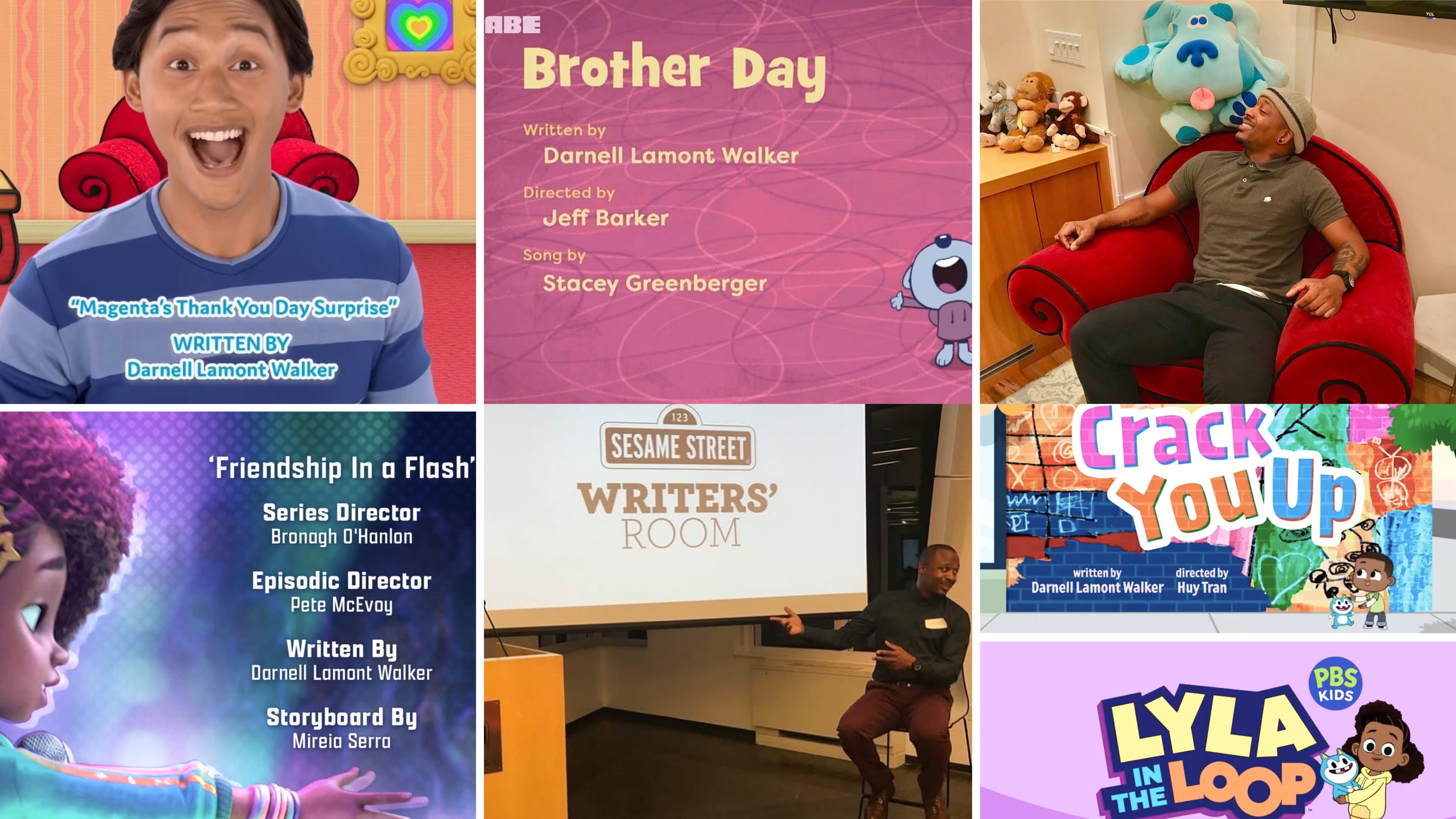
When I was guest lecturing at DePaul University recently, a student raised their hand and asked, “How does your work as a death doula lend a hand to your work as a children’s writer?”
A couple of deep breaths before answering. It was one of those questions that felt simple but opened a dozen doors in my head. I thought about the people I’ve sat beside in their final moments. The silence, the honesty, the laughter that sometimes slips out even as the body grows tired. And then I thought about children. The way they ask questions without fear, their curiosity unfiltered by the etiquette of adulthood. I love these questions because they become reminders that death work and children’s writing are not opposites, as people often assume. They are, in fact, deeply intertwined. Both ask me to pay attention to life.
Working as a death doula has taught me that everything worth creating starts with presence. I’ve known this since I was 12. When you sit with someone as they die, you learn the art of deep listening. You learn that words don’t always need to fill space. Sometimes silence is the most profound form of communication. You learn to see the small things: the twitch of a finger, the rhythm of a breath, the way light falls across a face. These are the same observations that shape how I write for children.
Children notice the world in fragments. The sound of rain tapping the window, the way ants line up on the sidewalk, the warmth of a hand on the back of your neck as you’re lifted, then carried into a house. Death teaches you to see life like that again, to strip away the noise and focus on what’s real, what’s felt. When I write for children, I’m not just crafting stories. I’m honoring that clarity of perception that adults too often lose.
In both death work and storytelling, truth matters. Children can spot dishonesty faster than anyone, and the dying have no patience for it. At the end of life, people want truth, not the sugarcoated version, but the raw, human truth about what it means to live, to love, to regret, to forgive. When I’m with someone actively dying, I hear stories that are stripped of performance. There’s no need to impress or edit. That honesty has made me a better writer, especially for children. Kids crave truth in their stories. Not necessarily literal truth, but emotional truth. They want to see characters who feel what they feel, who struggle and stumble and still find ways to keep going.
Death work has also reshaped my understanding of imagination. People often think death work is about endings, but I’ve learned it’s also about expansion. When someone is dying, they begin to imagine differently. Not in a fantastical way, but with a kind of openness. They imagine reunions, they imagine forgiveness, they imagine what peace might look like. That’s imagination at its most powerful: the ability to see beyond what is in front of us.
When I write stories for children, I’m doing something similar. I’m offering them ways to imagine beyond what they see. Maybe a character loses something. A toy, a friend, a home, and learns to make meaning out of the loss. Maybe the story invites them to ask questions about where people go when they die, or how we remember those who’ve gone. These are not dark questions; they’re human ones. Death work taught me that avoiding those questions doesn’t protect us. It only keeps us afraid. But when we face them with gentleness and curiosity, we make room for life to move freely.
Creativity, like dying, asks us to let go. Every time I sit down to write, I’m letting go of control of how the story “should” go, of how it might be received, of who I think I am as an artist. Death work reminds me that control is an illusion. We do our best to shape things, but in the end, life and art have their own timing. When I write for children, I try to honor that by allowing the story to unfold naturally, to surprise me. I trust the process because I’ve seen what happens when people surrender to it.
There’s another lesson death work has given me: ritual. When someone is dying, small rituals become anchors. Brushing their hair, playing their favorite song, holding their hand just so as they use the other to search for a spade in their cards. These rituals remind us that we are still connected, that care is an act of creativity. Writing has its own rituals too. The morning tea, the notebook of dreams from nights before, the moment of stillness before the words come. These aren’t just habits; they’re ways of grounding myself in intention. Ritual keeps both death work and creative work sacred.
Children’s stories are, in many ways, rituals too. A child who asks to watch the Backwards Day episode of Work It Out Wombats day after day or for the same bedtime story night after night isn’t just clinging to the visuals or the words. They’re holding on to the comfort, the rhythm, the space of connection it creates. As a writer, I try to honor that by creating stories that can hold children. Stories that remind them it’s okay to ask questions, to feel deeply, to be confused and brave all at once.
Death work has taught me to create from empathy rather than agenda. I don’t write to teach children lessons; I write to connect and the lessons arrive on their own. I write to help them see themselves and the world more clearly. The dying have shown me that people don’t want to be fixed. They want to be witnessed. Children are the same. They want to be seen, not corrected. They want stories that make space for their wonder and their grief, their joy and their anger.
At the heart of both death and creativity is love. Not the soft, easy kind, but the courageous kind that shows up even when it hurts. Helping someone die is love. Writing for children, in its own way, is too. It’s saying, “I see you. You belong here. Your questions, your fears, your wild imagination, all of it matters.”
So when that student at DePaul asked me how death work lends a hand to my work as a children’s writer, I said something that I hope sounded like this:
Death work teaches me how to tell the truth. It teaches me to pay attention. It reminds me that all stories, even the ones meant for children, are about living well and loving fully before we go.
Because creativity, at its core, is a rehearsal for dying: a constant act of release, of surrender, of transformation. And maybe that’s why I do both. To remember that every ending is also an invitation to begin again.
I am so inspired by this very important issue. So happy that I have discussed this with my daughter I feel it’s mandatory
Hey Darnell…this is a beautiful sharing of another part of your work I wasn’t aware…writing children’s books about dying!! I wasn’t fully immersed in that world for a while when my son lost his father at 7 years old. I’m wondering if you also work with dying children?
Hugs, Julie Chavez