
Write Them a Eulogy They Can Read
When what needs to be said is too heavy for conversation, write the eulogy instead

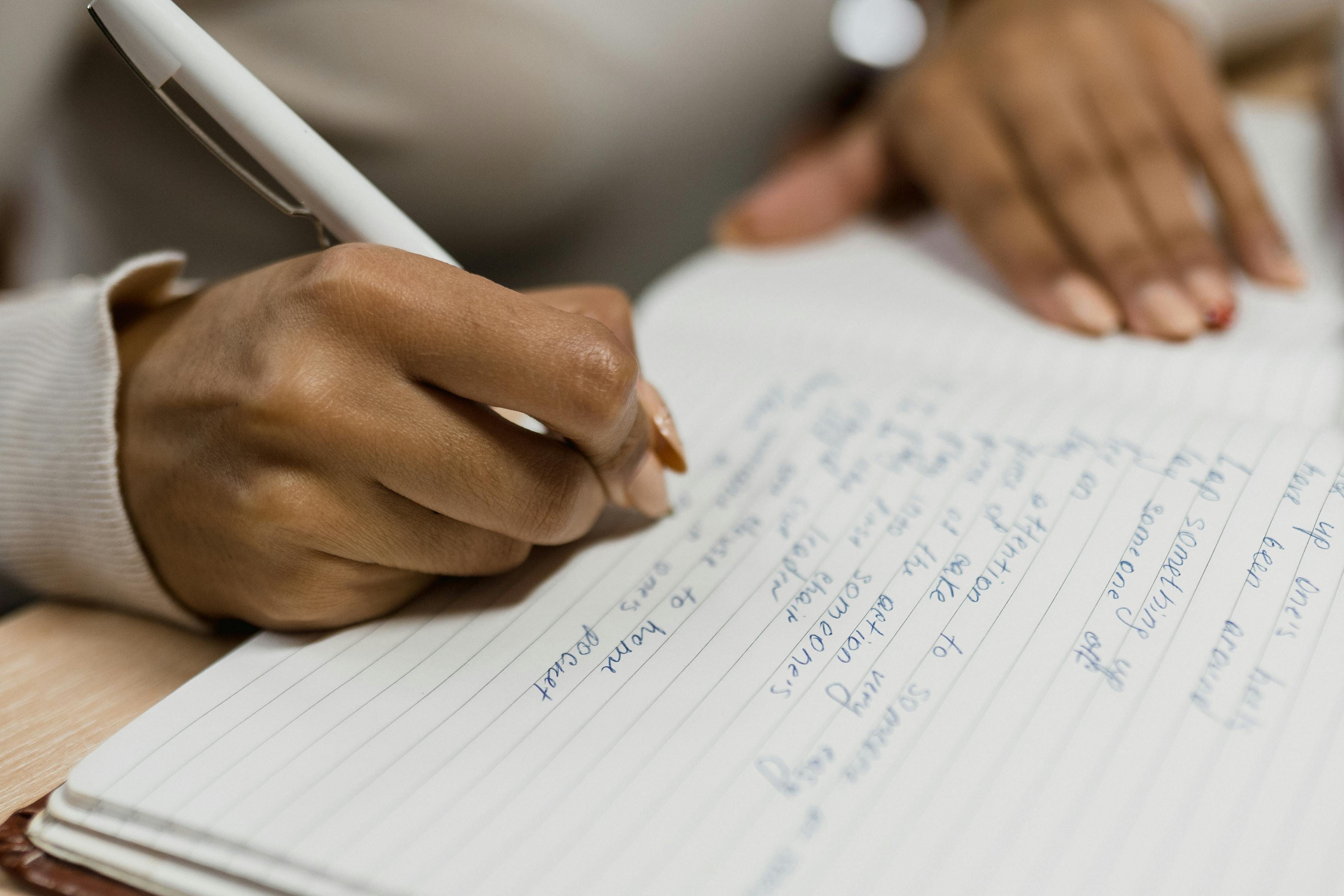
I have always believed in the power of a letter when something serious needs to be said. Not a text message, not an email sent in haste between meetings, not a voice note that can be dismissed with the flick of a thumb. A letter. Ink or keyboard, it hardly matters. What matters is the form. The fact that it arrives whole.
Somehow, and I cannot fully explain why, I believe people cannot help but read a letter addressed to them. They may delay it. They may place it on a kitchen counter and stare at it for hours, or days. But eventually curiosity, dread, or hope will pull them toward it. And when they begin, they rarely stop halfway through. A letter demands completion. It sits in the hand like a small gravity.
A letter is where the unsayable gets its chance.
Need to tell your father how deeply he hurt you, how the wound followed you into adulthood and shaped the rooms you feel safe in? Write a letter. Face-to-face conversations collapse under the weight of history. Someone interrupts. Someone grows defensive. Someone leaves the room. But a letter cannot be interrupted. It is patient. It says everything in the order it must be said.
Need to tell a lover what your body desires, what tenderness you are still waiting for, what you have been too embarrassed to speak aloud while watching their face for judgment? Write the letter. Desire written down becomes less fragile. It stands up straight. It refuses to apologize.
Need to thank a teacher who saw something in you when you were still mostly confusion and anger? Write the letter. Need to apologize to a friend you betrayed years ago but whose name still passes through your mind at odd hours, like a hundred-car train that never quite stops at the station? Write the letter.
Letters hold things conversations often drop. They allow the writer to sit with the truth long enough to recognize it.
But this work as a death doula has taken my thinking somewhere else. Because when people reach the end of their lives or when they are standing close enough to it to feel the wind coming off the edge, letters sometimes feel too small. Too careful. Too polite.
What I often ask people to write instead is a eulogy. Not the kind meant for a podium, with folded hands and softened language. Not the polite performance delivered under the watchful eyes of a church congregation.
I mean a private eulogy. Written for someone who is still alive. Write the speech you would give if they were gone. Write it as if the room were full of people who knew them well enough to recognize the truth, but not well enough to excuse the lies.
Begin simply. State their name. Write it the way a speaker might say it into a microphone. Let the name settle on the page. A name written this way carries weight.
Then tell us who they were to you. Not the official title. Father, sister, lover, friend. But the lived role. The way they existed in the geography of your life. The person who taught you to swim. The person who slammed doors. The person who made soup when you were sick. The person who never apologized.
Let memory lead you. Specific memory, not summary. Write the afternoon when they sat with you on the porch and told you something true about the world. Write the day they humiliated you in front of strangers or in front of grandma. Write the moment you realized you loved them more than they were capable of loving you back.
A rule if you need one: do not tidy the story.
Eulogies fail when they attempt to rescue the dead from their own complexity. The real power of the form is its refusal to pretend that anyone lived a simple life. So write the whole person. Write the beauty first, if it exists. Write the way their laugh filled a room. Write the courage you witnessed in them when the world was unkind. Write the quiet kindnesses no one else noticed.
Then write the rest.
Write the harm. Write the disappointment. Write the ways they failed you. Do not turn the blade toward cruelty, but do not dull it either. Precision matters more than anger.
If your hope is that this eulogy exposes them to their own behavior, remember you are not dragging them toward transformation. You are only placing the water within reach. What they do next belongs to them.
The honest eulogy has a strange permanence to it. Not the cold permanence of stone, but the living permanence of a photograph. It fixes a moment of truth in time. And yet it remains movable.
The eulogy that makes someone feel beautiful, truly beautiful, seen in the way they have always hoped to be seen, can be framed. It can sit on a desk or a nightstand, a quiet reminder of the person they have been capable of being in the world.
The eulogy that makes someone feel ugly, the one that reveals the shadow they have tried to outrun, that one may be folded small and placed in a wallet. It may travel with them for years. Taken out during moments when an old habit threatens to return. Not as punishment. As memory.
A letter asks someone to listen. A eulogy asks them to consider the life they are currently living as if it has already ended. And there is something about that perspective, about seeing oneself from the far shore of time that can, occasionally, make a person brave enough to change.
A eulogy for any of those situations is a great idea. Sharing it? Not so much. It’s a little like forgiveness. It’s not for the other…it’s for us. Still love the idea as a healing exercise. Thank you.